
Biological Systems Engineering (BSE)
Integrates life sciences, computing, and engineering to drive solutions in healthcare, biomaterials, and environmental sustainability.

BTech Transfer Admissions | August 2027 Intake
At Plaksha, learning is designed to be flexible, interdisciplinary, and future-focused. Students who began an undergraduate program at another recognized institution can join Plaksha without restarting their degree. The credits they earned at their previous institution are carried forward.
Round 1 Timeline
Creating future tech leaders for a better world
Integrates life sciences, computing, and engineering to drive solutions in healthcare, biomaterials, and environmental sustainability.
Introduces the design of new algorithms, systems, and machines with powerful computational, sensory, cognitive, and inferential abilities to address challenges at the interface of human and artificial intelligence.
Integrates AI and computer science with electronics and mechanical engineering to train students to design next-generation robotics and autonomous systems.
Combines the theoretical foundations of data science with tools from economics and finance to create data-driven tech solutions for business, policy, and society.
Who can apply
*One Credit is equivalent to 15 hours of academic interaction
Other requirements
To graduate with a BTech, transfer students must:
RECOGNIZING PRIOR LEARNING
Credit transfer is evaluated on a case-by-case basis. The Credit Equivalence Committee (CEC) evaluates credit equivalence between the applicant’s completed coursework and the prescribed curriculum at Plaksha. The credits that can be transferred and the expected period of completion of the program are communicated to the students, who can then make an informed decision on whether they wish to transfer to Plaksha University.
Six-step path to Plaksha
1. Application submission
2. Application screening
3. Technical interview
4. Credit equivalence mapping
5. Admission decision
6. Transition
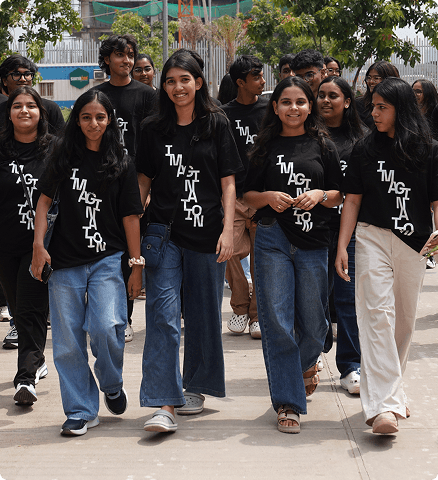
Plaksha graduates can build careers at leading global companies, pursue higher studies at top universities, or start their own ventures.
71%
Opted for industry roles
13%
Chose higher education and research
16%
Built their ventures and pursued other career paths
*Figures for BTech Class of 2026
Distinguished global academicians at Plaksha
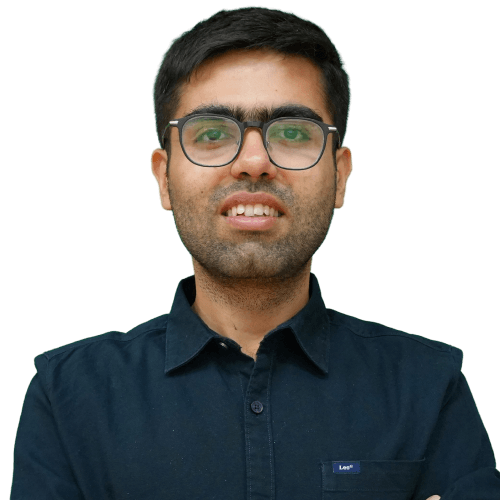
Assistant Professor
Applied Econometrics
PhD (Indira Gandhi Institute of Development Research, Mumbai)
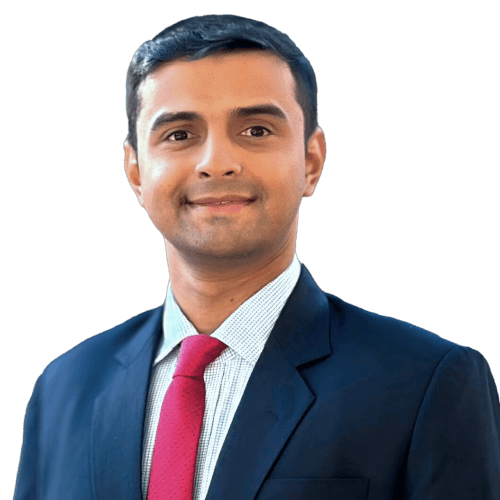
Assistant Professor
Public Finance
PhD (University of Illinois Urbana-Champaign)
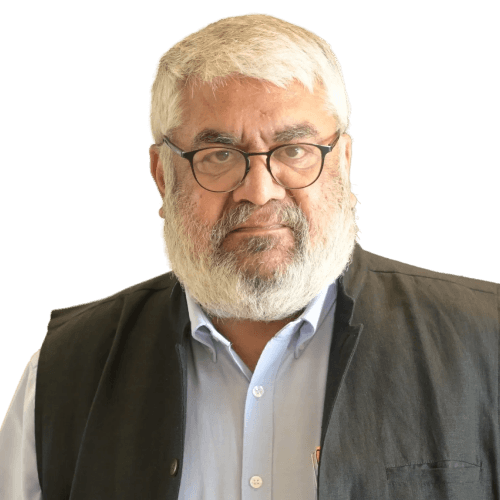
Professor
Inclusive Design
MPhil (IIT Bombay)
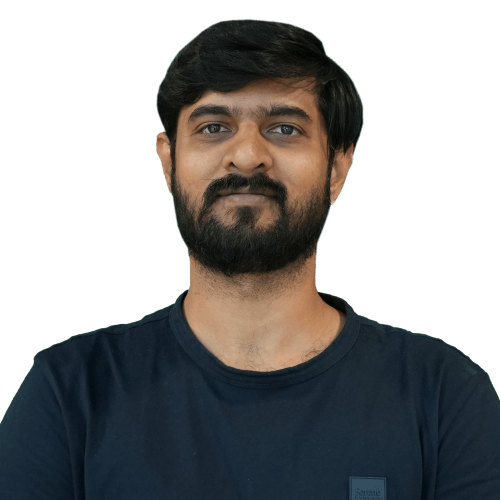
Assistant Professor
Algebraic geometry
PhD (Tata Institute of Fundamental Research)
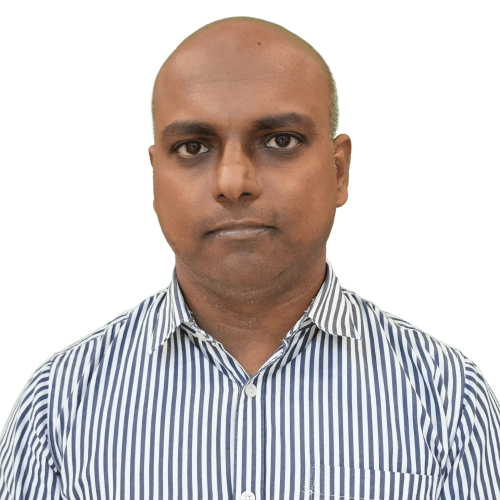
Assistant Professor
MEMS
PhD (IISc Bengaluru)
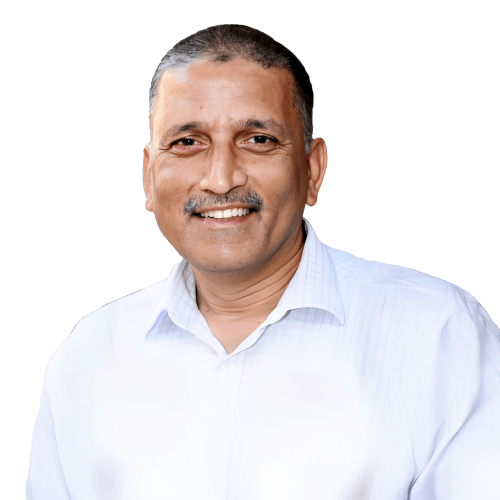
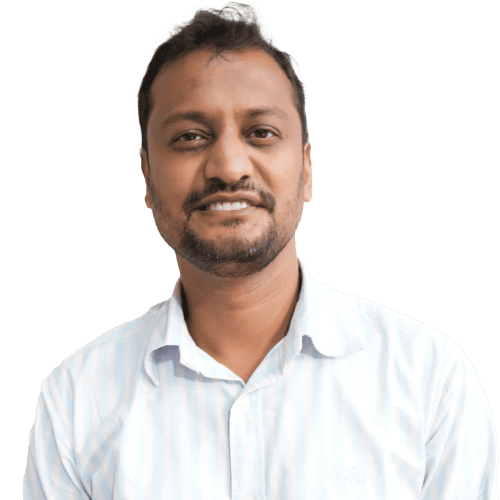
Professor
IoT
PhD (Physics, IIT Delhi)
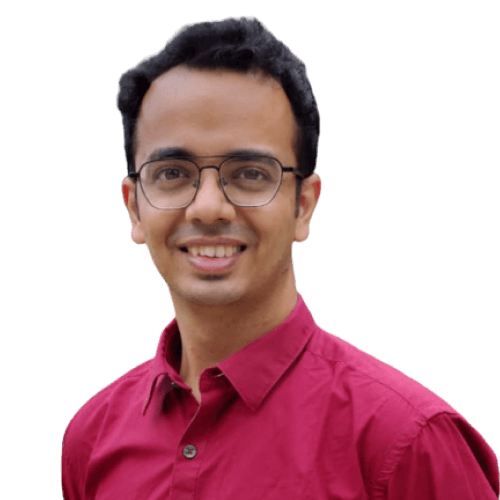
Assistant Professor
Routing and Switching
PhD (IIT Jodhpur)
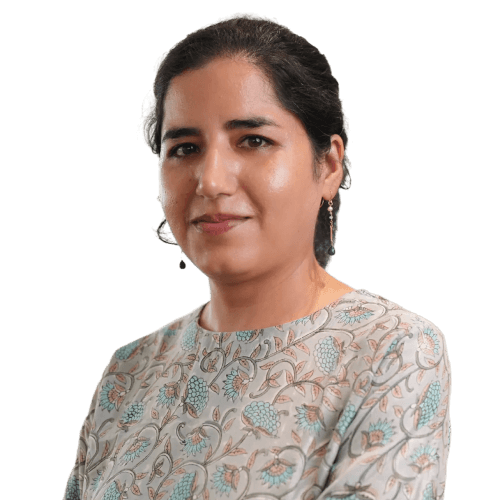
Assistant Professor
Embedded Systems
PhD (IIT Delhi)
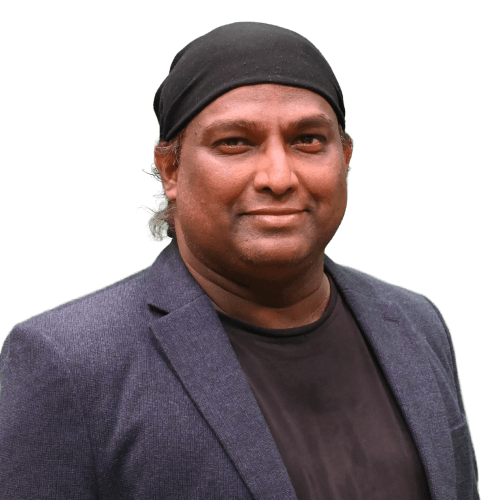
Assistant Dean, UG Outreach & Admissions
Protein Biochemistry
PhD (University of Twente, The Netherlands)
Director, Center for Thinking, Language and Communication
Religious Studies
PhD (Middlesex University, UK)
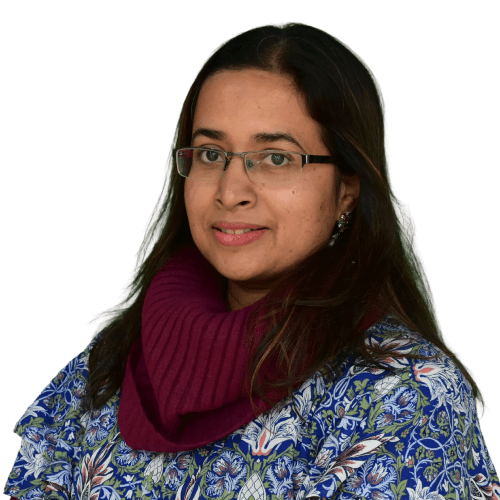
Director, Center for Equitable and Personalized Healthcare
Materials Science
PhD (IISc Bengaluru)
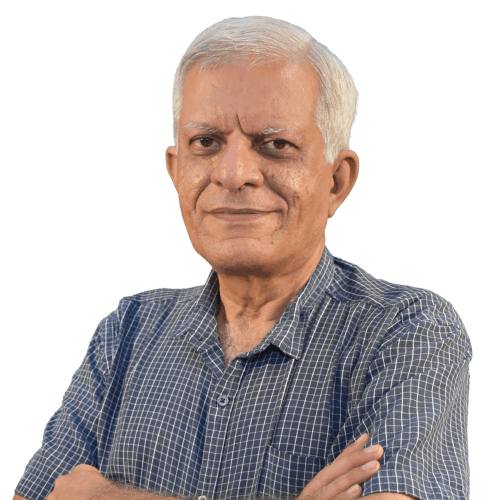
Professor
Artificial Intelligence
PhD (IIT Bombay)
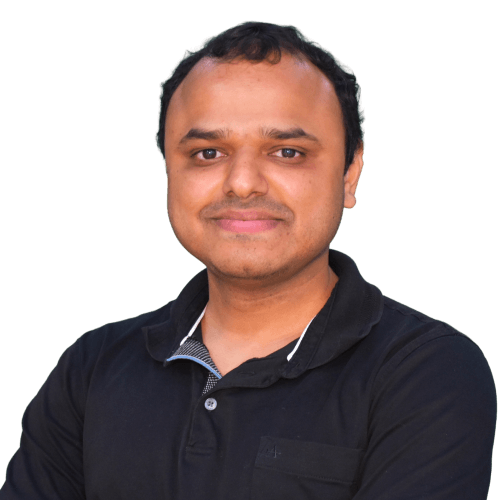
Assistant Professor
Artificial Intelligence
PhD (University of California, Berkeley)
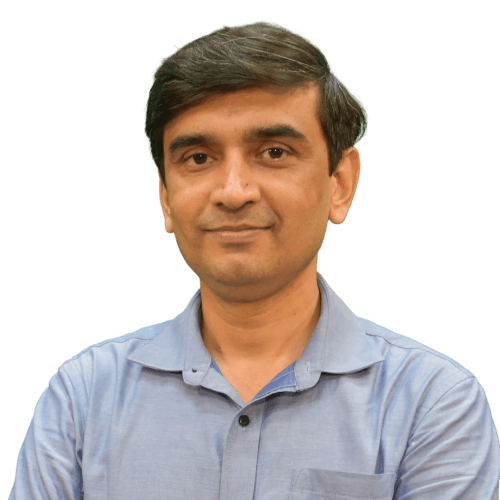
Assistant Professor
MEMS
PhD (University of Cambridge)
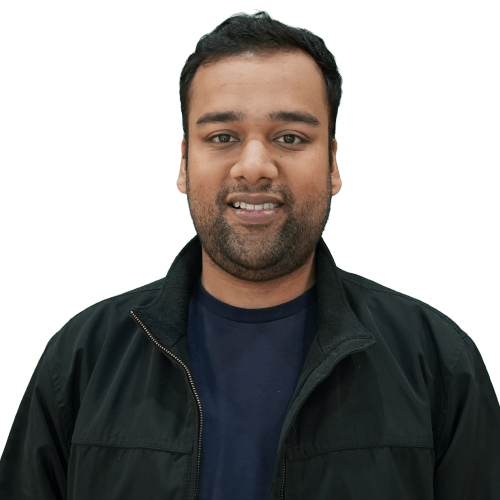
Assistant Professor
Organizational Economics
PhD (IIM Ahmedabad)

Assistant Professor
Transdisciplinary Research
PhD (University of Minnesota)
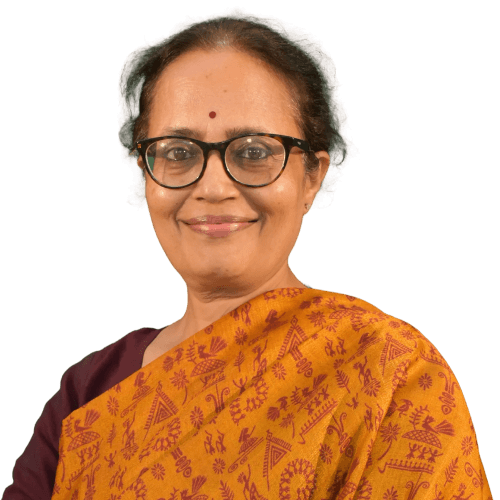
Director, Center for Water Security
Wastewater
PhD (IIT Delhi)
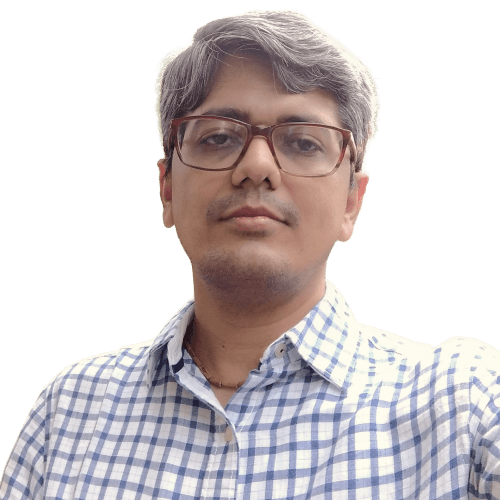
Assistant Professor
Game Theory
PhD (IISc Bengaluru)
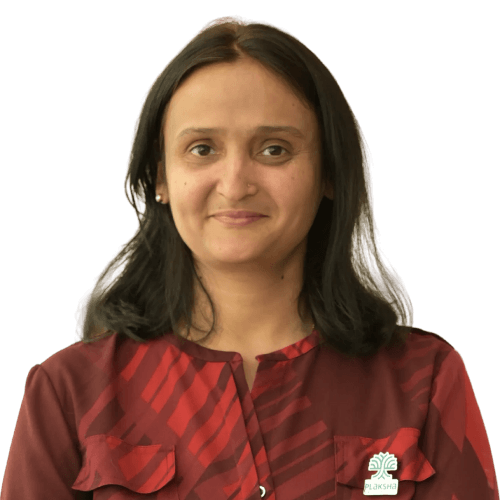
Program Chair, Biological Systems Engineering
Bioinformatics
PhD (IIIT Hyderabad)
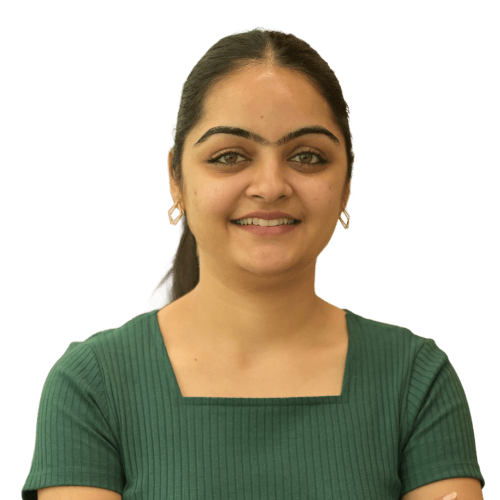
Assistant Professor
Fungal Biocontrol Agents
PhD (IISc Bengaluru)
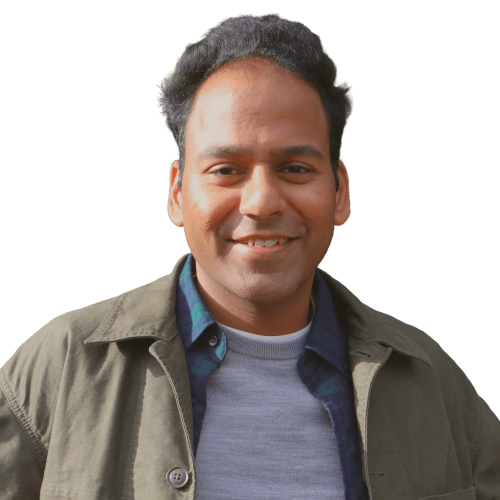
Assistant Professor
Machine Learning
PhD (University of Oxford)
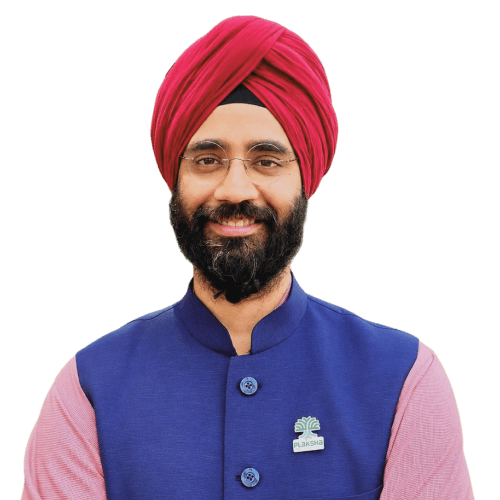
Program Chair, Data Science, Economics and Business
Applied Microeconomics
PhD (London School of Economics)
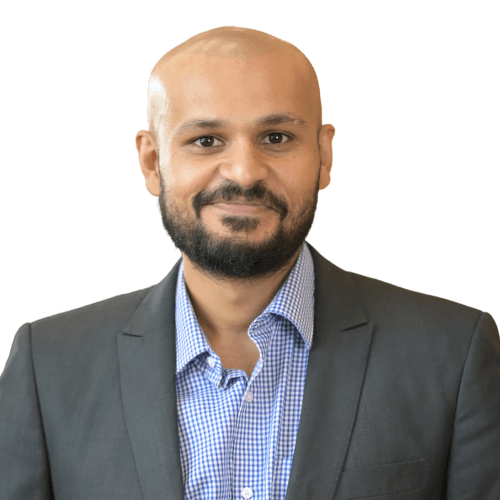
Assistant Dean, Student Affairs
Water Technology
PhD (Delft University of Technology)
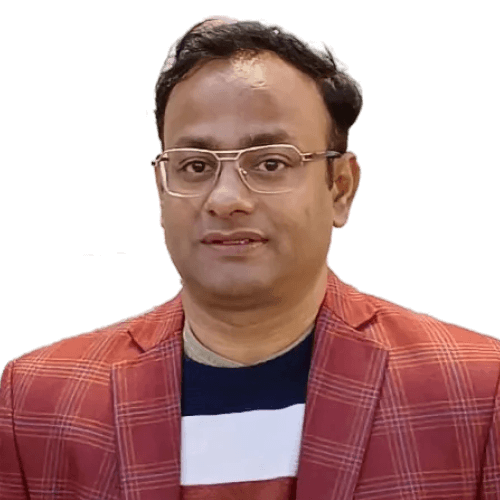
Associate Professor
Quantum Materials & Devices
PhD (IIT Delhi)
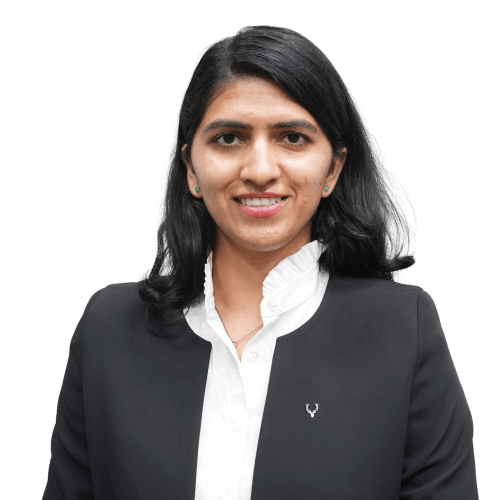
Assistant Professor
Environmental Economics
PhD, Economic Sciences (Technical University, Berlin)
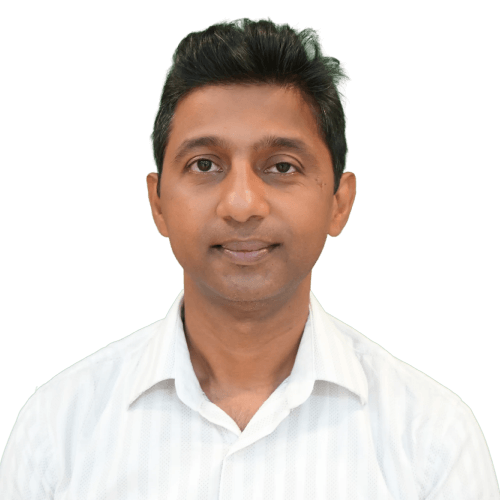
Associate Dean, Harish and Bina Shah School of AI and Computer Science
Social Computing
PhD (Nanyang Technological University)
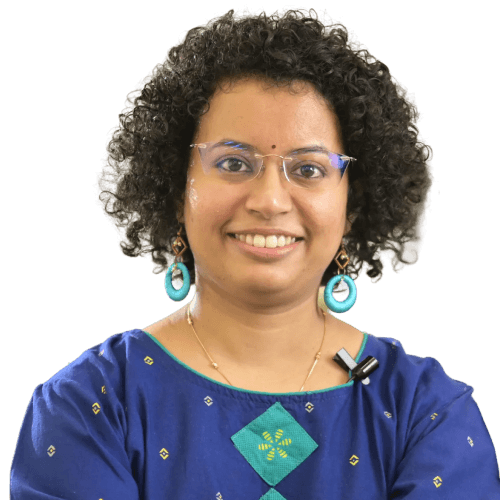
Associate Professor
Engineering Education
PhD (Purdue University)
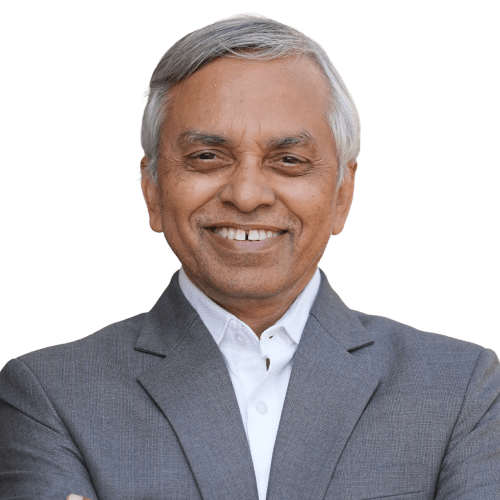
Founding Vice Chancellor
MEMS Technology
PhD (Cornell University)
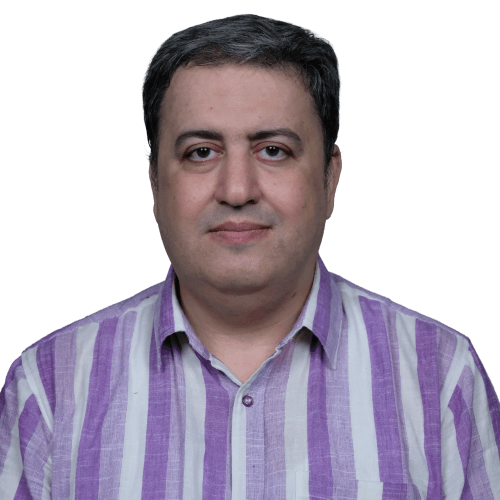
Professor
Mathematical Logic
PhD (University of Turku)
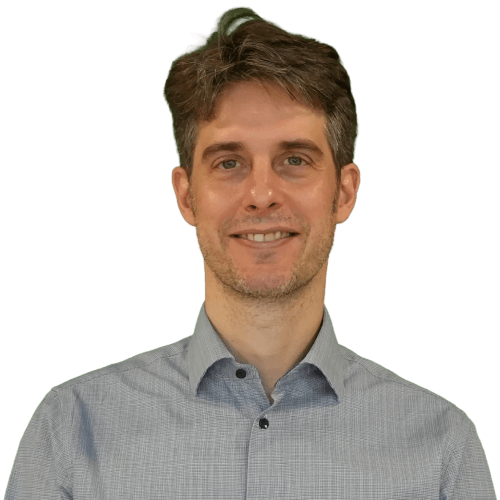
Associate Professor
Philosophy
PhD (University of Chicago)
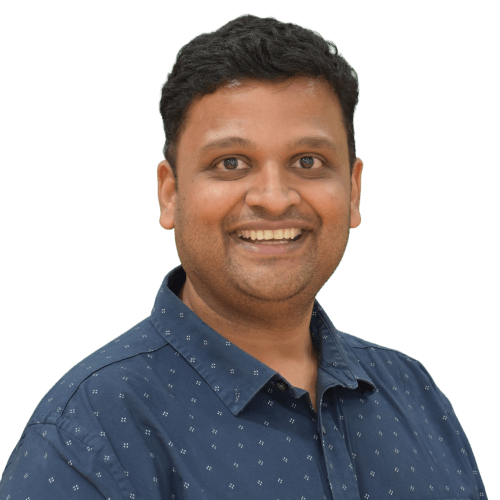
Assistant Professor
Applied Machine Learning
PhD (McGill University)
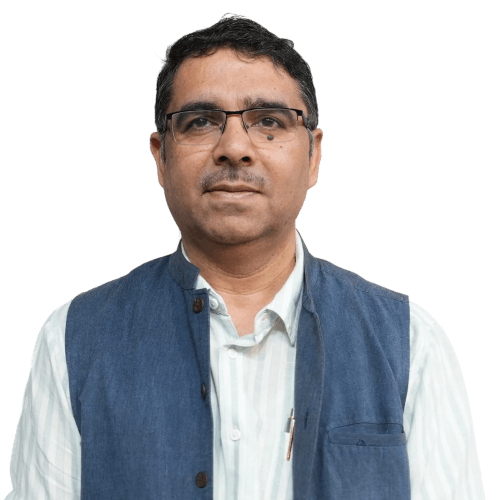
Professor
Epigenetic inheritance
PhD (IISc Bengaluru)
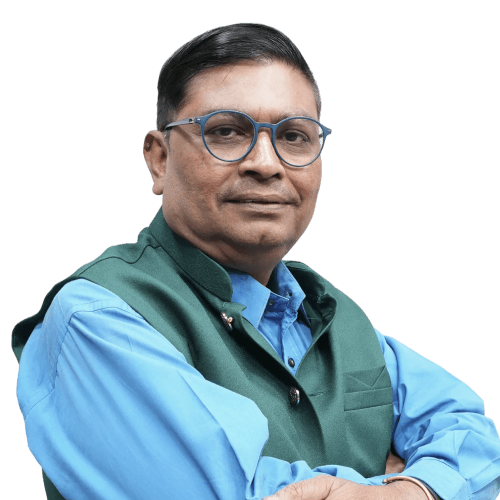
Professor
Immersive Experience Design
PhD (UPES University)
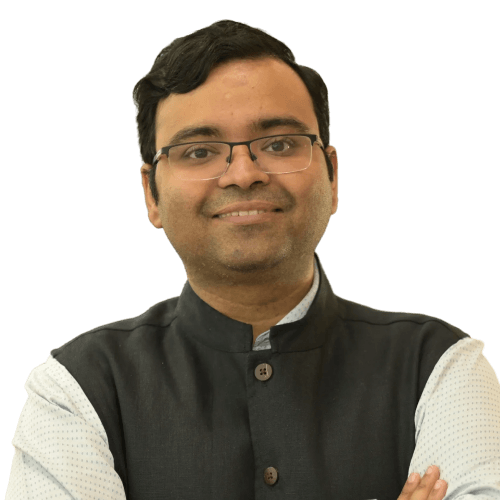
Program Chair, Robotics and Autonomous Systems
Robotic autonomy
PhD (Purdue University)
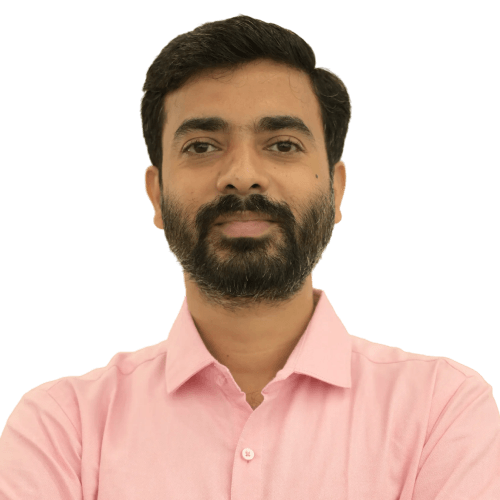
Associate Professor
Fluid Dynamics
PhD (IISc Bengaluru)
Assistant Professor
Science and Technology Studies
PhD (University of Oregon)
Associate Professor
Affective Computing
PhD (University of California San Diego)
Dean of Academics
IoT Systems
PhD (Purdue University)
Dean of Research
Medical and Surgical Robotics
PhD (Imperial College London)
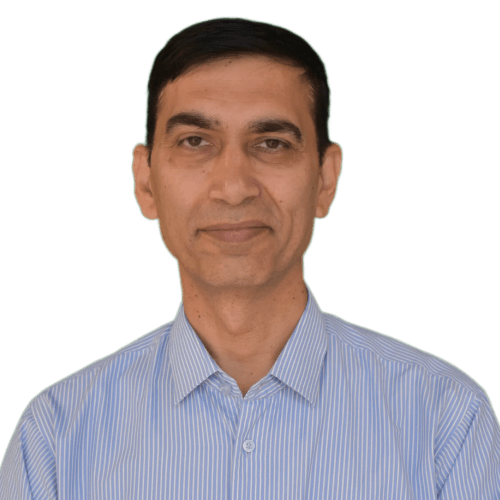
Director, PhD Program
Bayesian Data Analysis
PhD (University of Delhi)
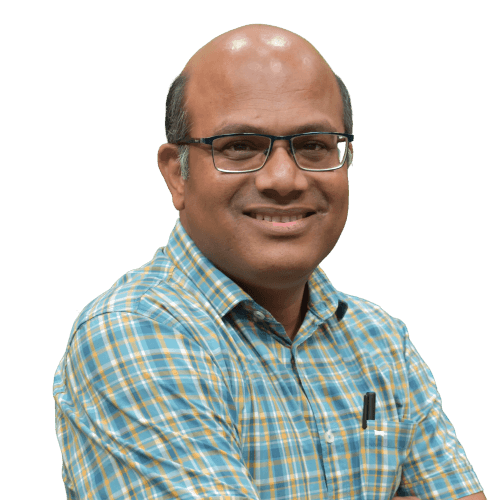
Assistant Professor
DNA Repair
DPhil (University of Oxford)
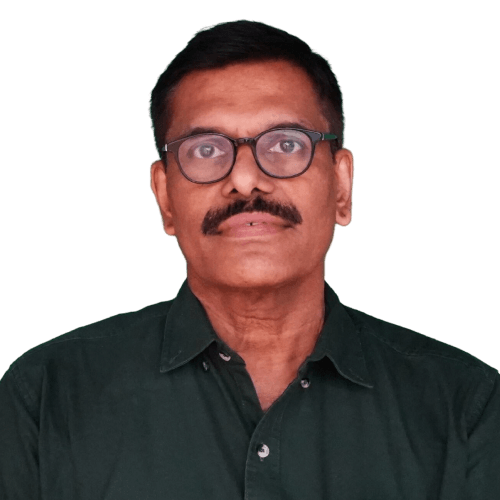
Professor
Applied Statistics
PhD (University of Pune)
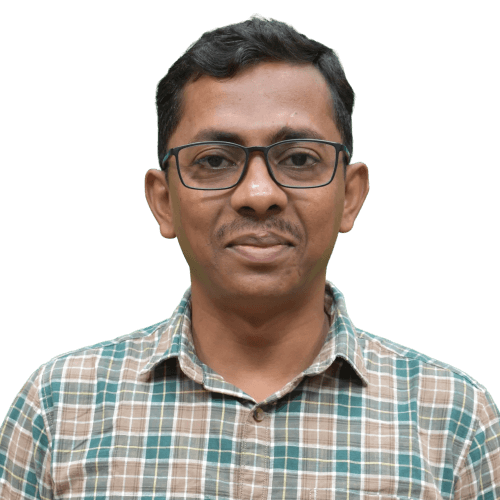
Assistant Professor
Quantum Computing
PhD Computer Science (ISI Kolkata)
Assistant Professor
Experimental & Behavioral Economics
PhD (University of Tennessee)
Director, Indorama Ventures Center for Clean Energy
Energy Efficient and Smart Buildings
PhD, Centre for Energy Studies (IIT Delhi)
Yes. At Plaksha, a student who began an undergraduate program at another recognized institution can continue pursuing their undergraduate education without restarting the degree. Transfer admissions are open in all four majors: Biological Systems Engineering (BSE); Computer Science & Artificial Intelligence (CSAI); Data Science, Economics and Business (DSEB); and Robotics & Autonomous Systems (RAS). Plaksha’s policy follows NEP 2020, and its Multi-Entry Multi-Exit framework promotes academic mobility.
Eligibility depends on credits completed, not the year or semester. An applicant must have completed a minimum of 35 credits (one credit equals 15 hours of academic interaction) in a regular degree program before joining Plaksha’s BTech.
Students who have completed a minimum of 35 credits in a regular degree program at a UGC-recognized
university, an equivalent foreign university, or a recognized institution can apply. The applicant must
also show a solid academic background in core subjects relevant to the chosen major.
A diploma on its own does not meet the stated credit criterion. A student who entered a degree program
through lateral entry can be considered once the 35 credits in that program are complete. Credit
transfer is evaluated on a case-by-case basis; for further queries, applicants can write to universitytransfer@plaksha.edu.in.
The Credit Equivalence Committee (CEC) compares the applicant’s completed coursework with the Plaksha curriculum for the chosen major. The process has four steps:
A transfer student must earn a minimum of 160 credits to graduate, of which at least 80 credits must be completed at Plaksha. The student must complete all Freshmore courses, program core courses, and program elective credits prescribed for the major. These mandatory courses can be completed either at the previous institution or at Plaksha; the CEC decides which completed courses count. The student must also maintain academic standards as per the university’s policy.
The application process comprises six stages:
Yes. Transfer students can get scholarships and financial aid. The scholarship policy for transfer students may be different from the policy for students who join in the first year.
BTech transfer admissions are open for all four majors: Biological Systems Engineering (BSE); Computer Science & Artificial Intelligence (CSAI); Data Science, Economics and Business (DSEB); and Robotics & Autonomous Systems (RAS). An applicant must have a solid academic background in core subjects relevant to the chosen major such as math, physics, programming, life sciences, or engineering fundamentals.
The duration depends on how many credits are recognized. The CEC reviews the completed courses, and the credits that can be transferred and their expected period of completion are shared with the admission offer, so the student can decide before joining. A transfer student must earn a minimum of 160 credits, of which at least 80 are completed at Plaksha.
Transfer students pay the same fees as the cohort they join. For example, a student who joins in August 2027 as a second-year student pays the second-year fee for the UG 2026–30 batch. Transfer students also pay a one-time admission fee and a security deposit.
