
Biological Systems Engineering
Integrates life sciences, computing, and engineering to drive solutions in healthcare, biomaterials, and environmental sustainability.

BTech Admissions Open for 2027
An interdisciplinary undergraduate education that blends engineering, technology, and leadership to prepare students for real-world impact.
Shaping leaders, researchers, and entrepreneurs
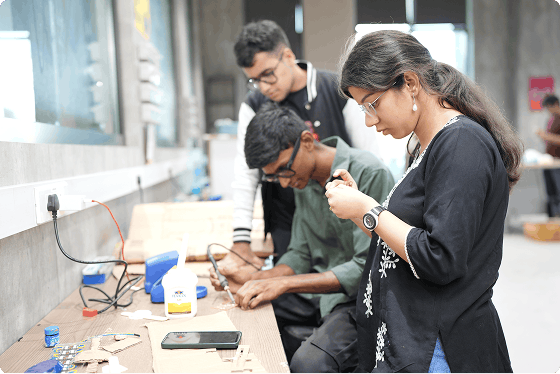
At Plaksha, students spend their undergraduate years exploring different disciplines before they specialize in one. They start with a shared foundation (the Freshmore curriculum) across computing, mathematics, design, economics, and the humanities, and choose a major only by the second year. From the first semester, students work on real-world problems in teams and build the technical depth and cross-disciplinary knowledge to develop solutions that benefit organizations and society.
Creating future tech leaders for a better world
Integrates life sciences, computing, and engineering to drive solutions in healthcare, biomaterials, and environmental sustainability.
Introduces design of new algorithms, systems, and machines with powerful computational, sensory, cognitive, and inferential abilities to address challenges at the interface of human and artificial intelligence.
Combines theoretical foundations of data science with tools from economics and finance to create data-driven tech solutions for business, policy, and society.
Integrates AI and computer science with electronics and mechanical engineering to train students to design next-gen robotics and autonomous systems.
From foundation to specialization
The program has been designed to develop academic depth as well as skill sets and mindsets that will stay with students throughout their lives, irrespective of the career paths they choose. In each of their four years, students are required to take a few core classes across disciplines and choose electives in various fields of study.
Year 1
Students begin the first year by unlearning certain old habits (e.g., rote learning), learning new skills, and mindsets (e.g., interdisciplinary thinking, maker mindset, teamwork), and rekindling their innate qualities (e.g., curiosity, asking “why,” creativity).
Year 2
In the second year, students continue their process of discovery and play an increasingly active role in charting their journey. They opt for a major of their choice and are guided by a faculty advisor in this important decision. Later in the year, they start to go deeper into the major and also pick a real-world problem area of interest.
Year 3
In the third year, students focus on developing deep expertise in an area, which involves not only building knowledge but also developing the right skill sets to create impactful solutions. They connect the dots through an eclectic mix of classes at the intersection of technology, sciences, and liberal arts.
Year 4
The final year is an opportunity to combine knowledge, passion, and skills to go deeper into tackling an inspiring problem area. Students work in interdisciplinary teams on a real-world problem at a company, research institution, nonprofit, or their own startup. They are also free to explore advanced electives in areas related or unrelated to the major.
Distinguished global academicians at Plaksha
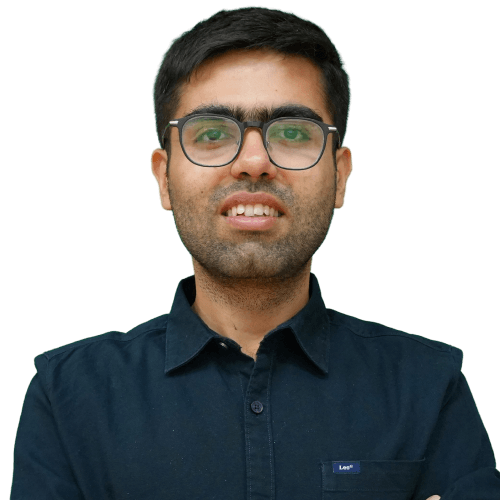
Assistant Professor
Applied Econometrics
PhD (Indira Gandhi Institute of Development Research, Mumbai)
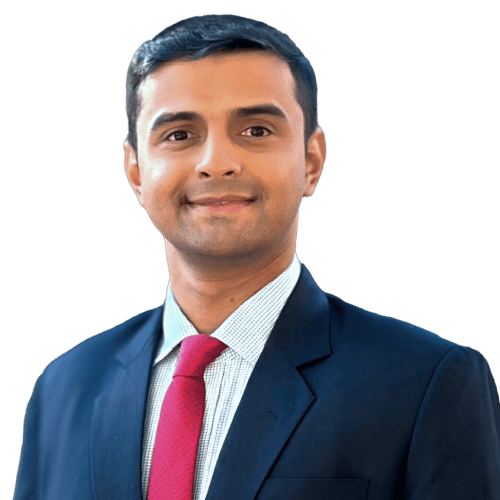
Assistant Professor
Public Finance
PhD (University of Illinois Urbana-Champaign)
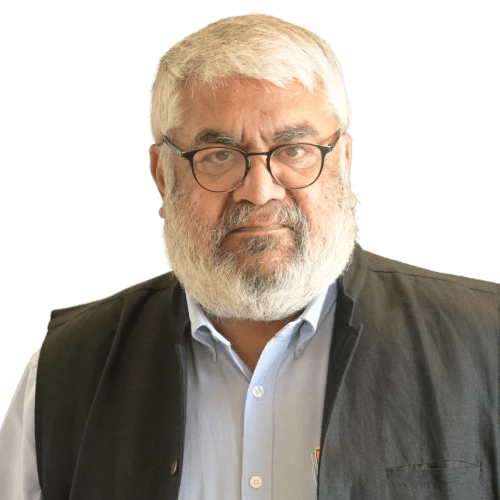
Professor
Inclusive Design
MPhil (IIT Bombay)
Assistant Professor
Algebraic Geometry
PhD (Tata Institute of Fundamental Research)
Assistant Professor
MEMS
PhD (IISc Bengaluru)
Professor
IoT
PhD (Physics, IIT Delhi)
Assistant Professor
Routing and Switching
PhD (IIT Jodhpur)
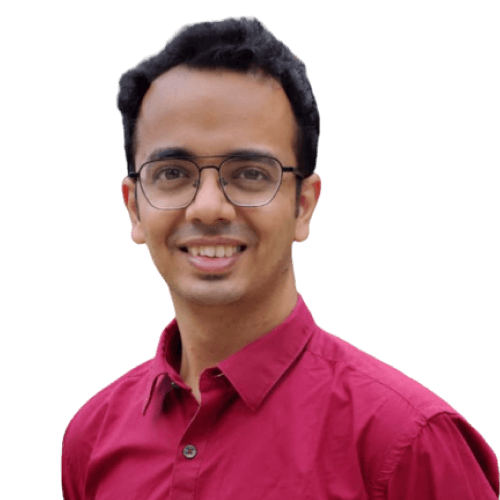
Assistant Professor
Embedded Systems
PhD (IIT Delhi)
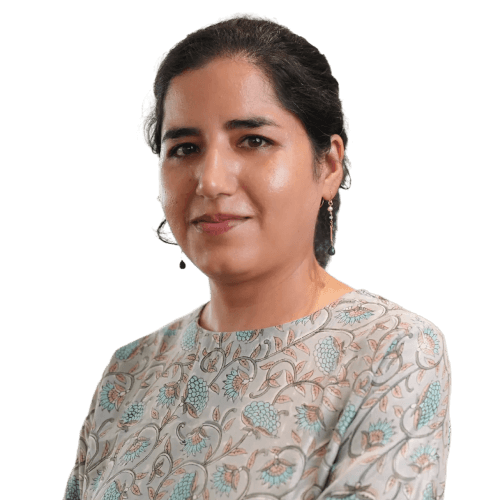
Assistant Dean, UG Outreach & Admissions
Protein Biochemistry
PhD (University of Twente, The Netherlands)
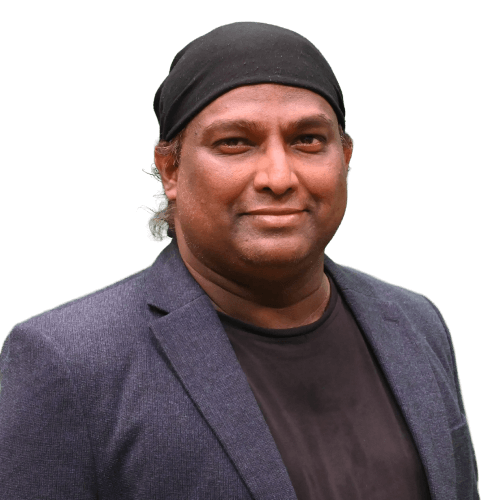
Director, Center for Thinking, Language and Communication
Religious Studies
PhD (Middlesex University, UK)
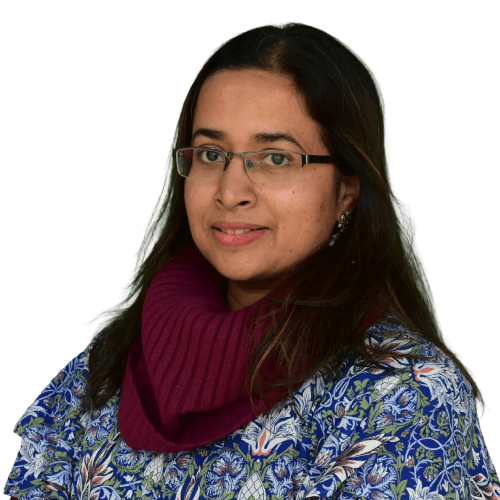
Director, Center for Equitable and Personalized Healthcare
Materials Science
PhD (IISc Bengaluru)
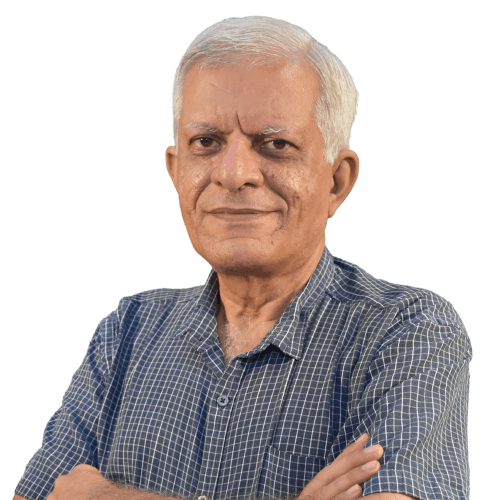
Professor
Artificial Intelligence
PhD (IIT Bombay)
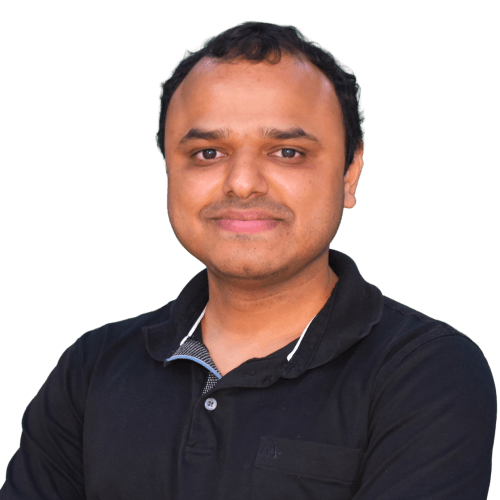
Assistant Professor
Artificial Intelligence
PhD (University of California, Berkeley)
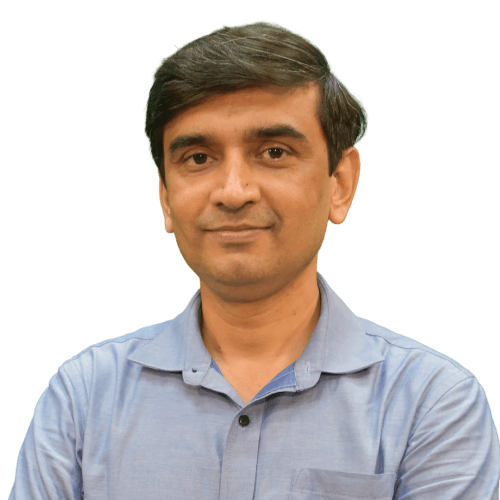
Assistant Professor
MEMS
PhD (University of Cambridge)
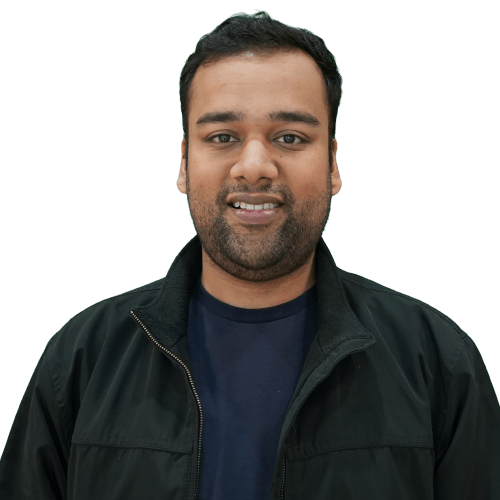
Assistant Professor
Organizational Economics
PhD (IIM Ahmedabad)

Assistant Professor
Transdisciplinary Research
PhD (University of Minnesota)
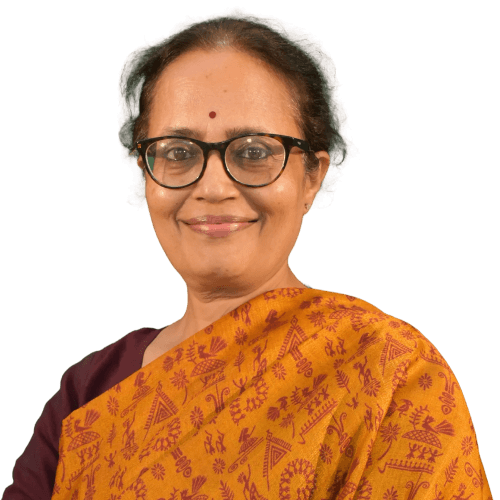
Director, Center for Water Security
Wastewater
PhD (IIT Delhi)
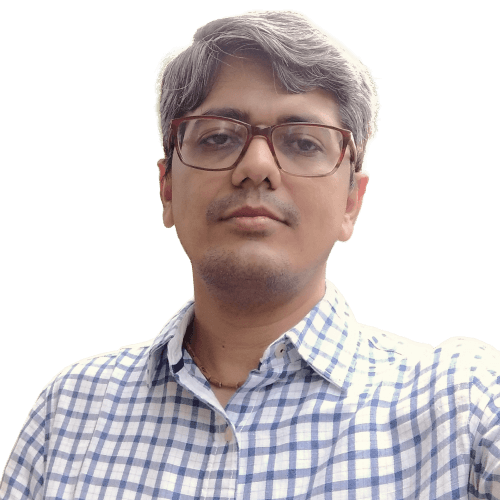
Assistant Professor
Game Theory
PhD (IISc Bengaluru)
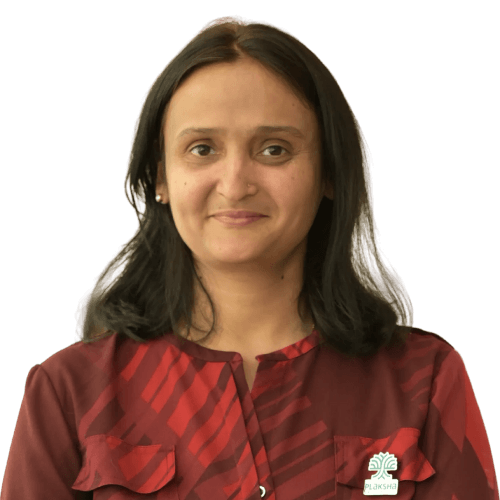
Program Chair, Biological Systems Engineering
Bioinformatics
PhD (IIIT Hyderabad)
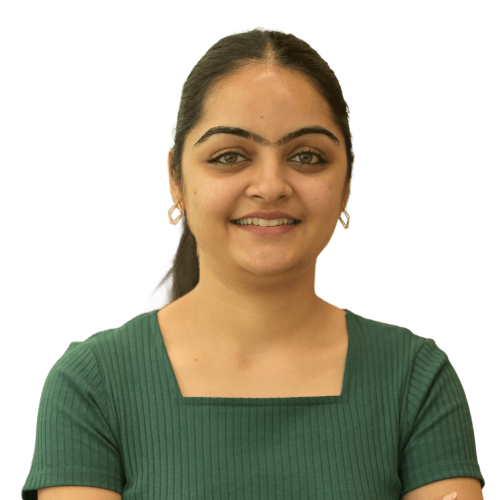
Assistant Professor
Fungal Biocontrol Agents
PhD (IISc Bengaluru)
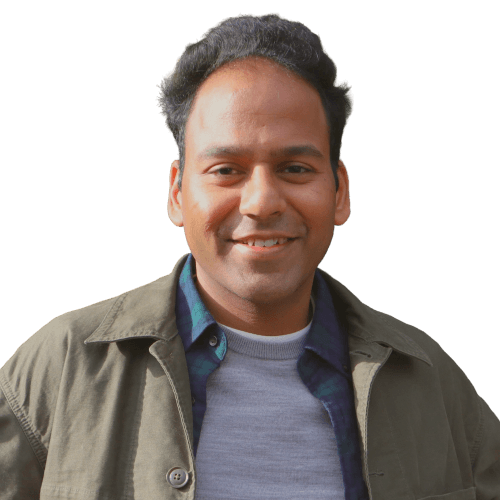
Assistant Professor
Machine Learning
PhD (University of Oxford)
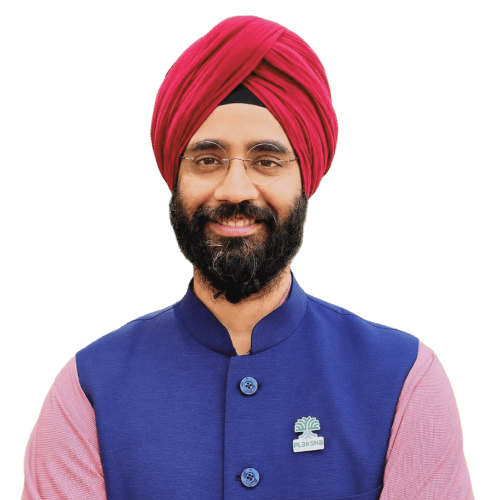
Program Chair, Data Science, Economics and Business
Applied Microeconomics
PhD (London School of Economics)
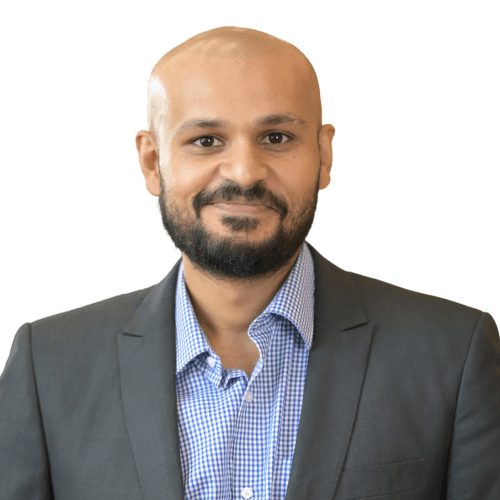
Assistant Dean, Student Affairs
Water Technology
PhD (Delft University of Technology)
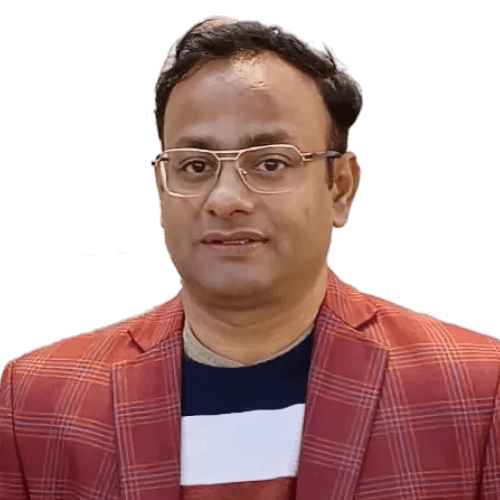
Associate Professor
Quantum Materials & Devices
PhD (IIT Delhi)
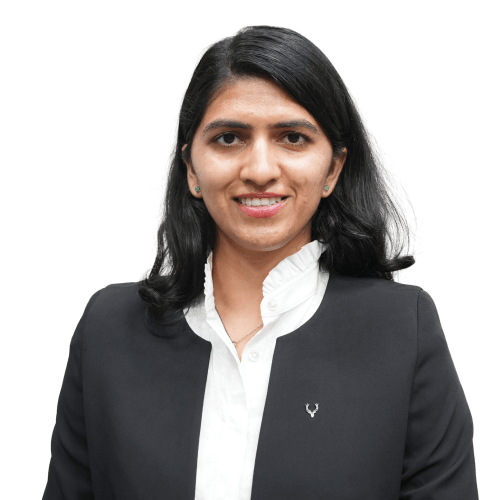
Assistant Professor
Environmental Economics
PhD, Economic Sciences (Technical University, Berlin)
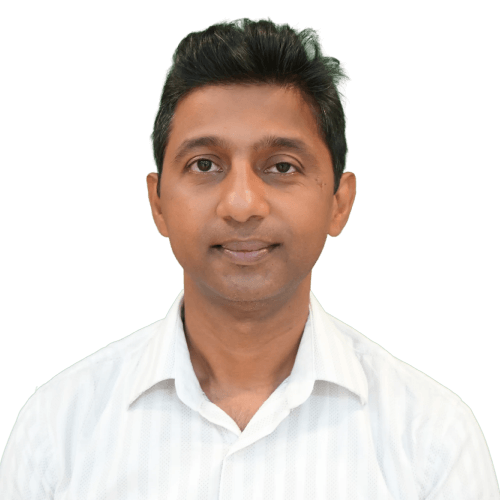
Associate Dean, Harish and Bina Shah School of AI and Computer Science
Social Computing
PhD (Nanyang Technological University)
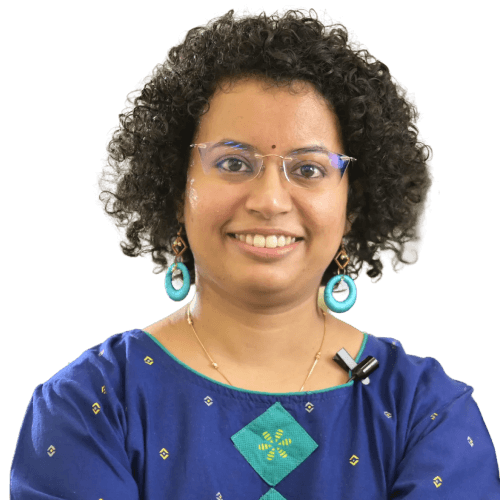
Associate Professor
Engineering Education
PhD (Purdue University)
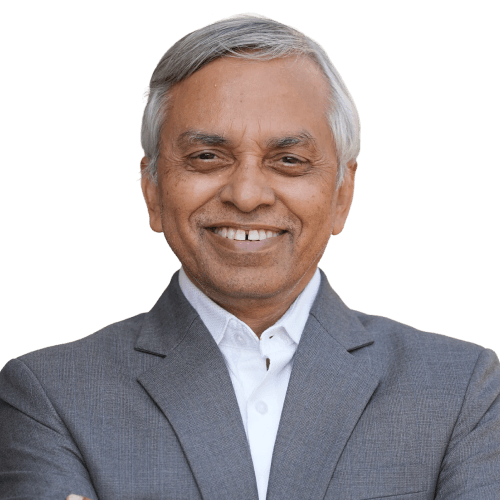
Founding Vice Chancellor
MEMS Technology
PhD (Cornell University)
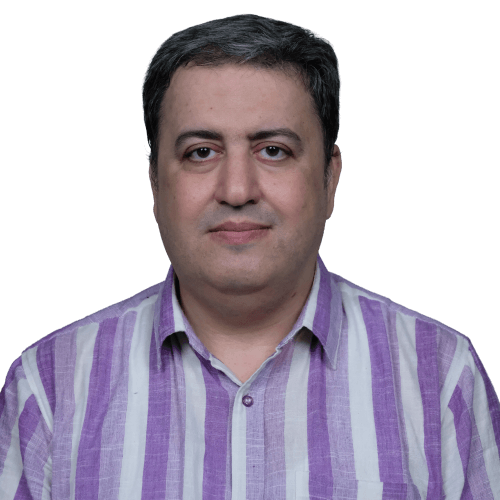
Professor
Mathematical Logic
PhD (University of Turku)
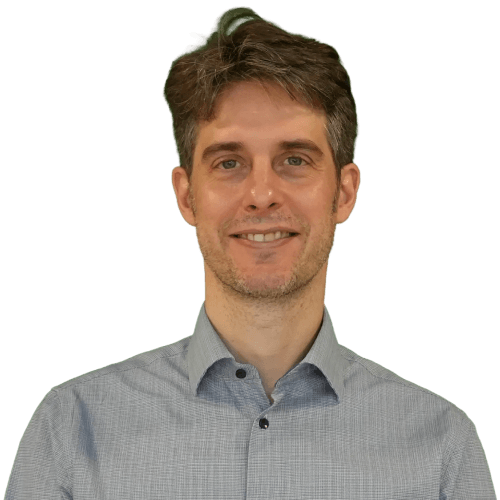
Associate Professor
Philosophy
PhD (University of Chicago)
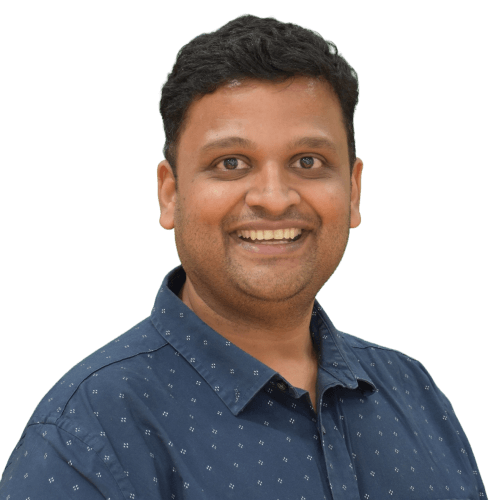
Assistant Professor
Applied Machine Learning
PhD (McGill University)
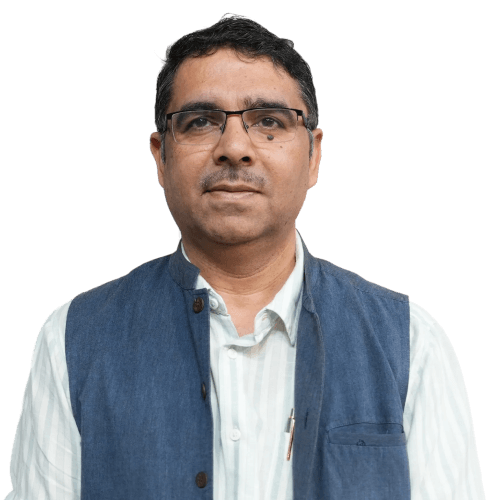
Professor
Epigenetic Inheritance
PhD (IISc Bengaluru)
Professor
Immersive Experience Design
PhD (UPES University)
Program Chair, Robotics and Autonomous Systems
Robotic Autonomy
PhD (Purdue University)
Associate Professor
Fluid Dynamics
PhD (IISc Bengaluru)
Assistant Professor
Science and Technology Studies
PhD (University of Oregon)
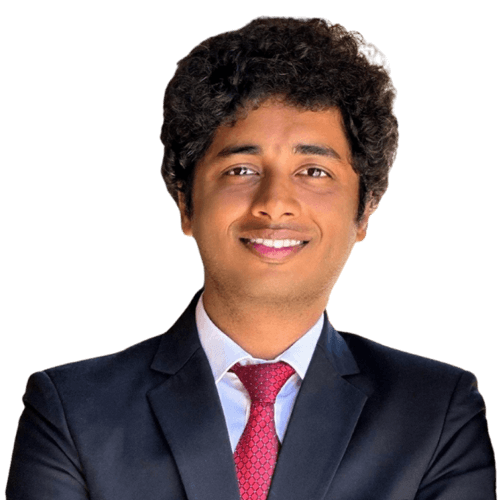
Associate Professor
Affective Computing
PhD (University of California San Diego)
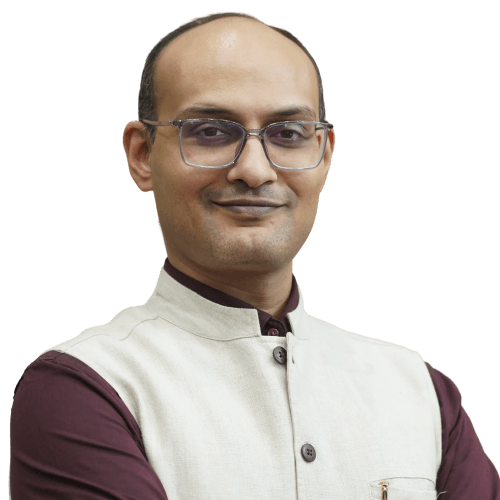
Dean of Academics
IoT Systems
PhD (Purdue University)
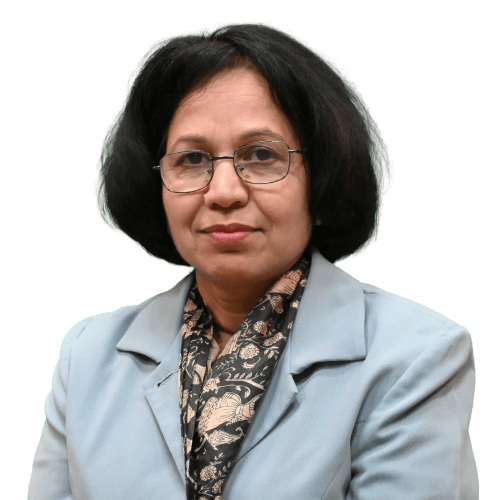
Dean of Research
Medical and Surgical Robotics
PhD (Imperial College London)
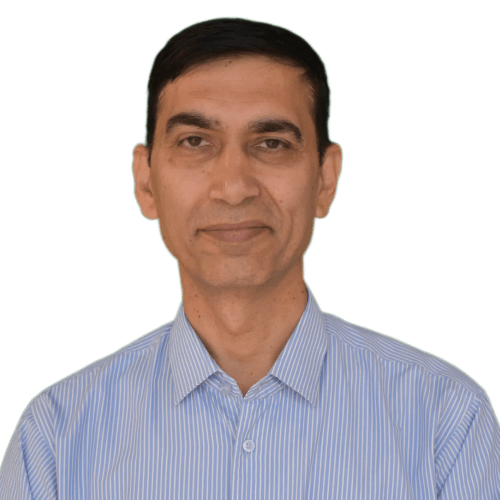
Director, PhD Program
Bayesian Data Analysis
PhD (University of Delhi)
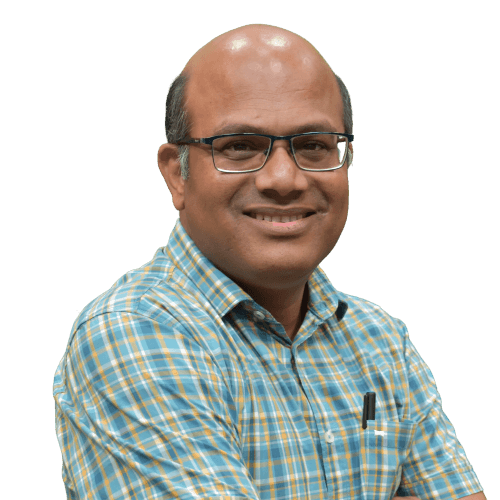
Assistant Professor
DNA Repair
DPhil (University of Oxford)
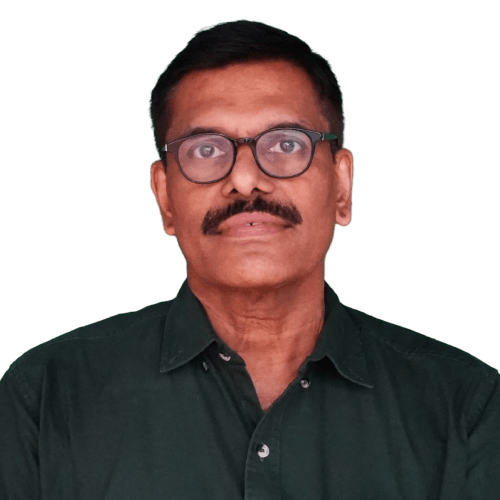
Professor
Applied Statistics
PhD (University of Pune)
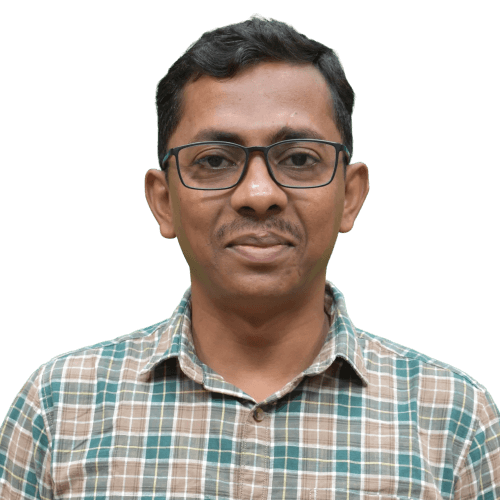
Assistant Professor
Quantum Computing
PhD Computer Science (ISI Kolkata)
Assistant Professor
Experimental & Behavioral Economics
PhD (University of Tennessee)
Director, Indorama Ventures Center for Clean Energy
Energy Efficient and Smart Buildings
PhD (Centre for Energy Studies (IIT Delhi))
Creating a global community






*Non-exhaustive list
Who can apply
Additional Notes:
Six-step path to Plaksha
Note: All applicants are considered for merit scholarships, and no separate application is required. Applicants who have not applied for financial aid may proceed directly to the 'Confirm and pay' stage after an offer of admission.
Ensuring opportunity for every deserving student
Available to all students, financial aid is need-based and has no bearing on the admissions selection process.
For students who exhibit exceptional achievements in academics, extracurriculars, and co-curricular activities.
66.4%
BTech students on financial aid and scholarships
₹63.18 Cr
Disbursed to BTech students in financial aid and scholarships
*Since inception of Plaksha University in 2021
Graduates opted for roles in companies
Graduates chose higher studies and research
Graduates built their ventures and chose other career pathways
*Figures for BTech Class of 2026
*Non-exhaustive list
₹8 to ₹47 LPA*
CTC Range
*Figure for the BTech Class of 2026
Attracting the best & brightest minds from across India
“Plaksha gave me the freedom to explore emerging technologies and research with technical rigor. Its hands-on environment encouraged me to tackle complex AI and systems challenges, building the confidence to learn, experiment, and go in depth."
"Supportive professors opened doors to meaningful research and global exposure in an evolving field in India. Beyond academics, I grew as a leader as President of Kartavya, the Social Impact Club, and pursued my passion for teaching French by founding my own education initiative, making my experience truly holistic."
“At Plaksha, I have had the opportunity to take on real challenges, learn from mistakes, and grow in an environment that turns every setback into a learning experience. It has instilled in me a mindset I will carry beyond my degree that no matter what, I can always figure it out."
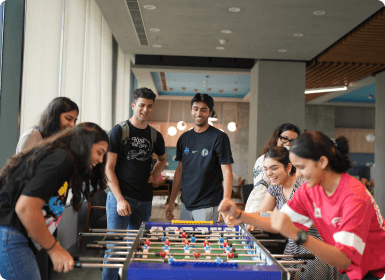
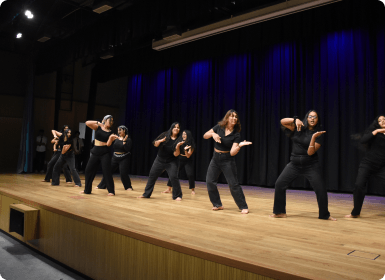
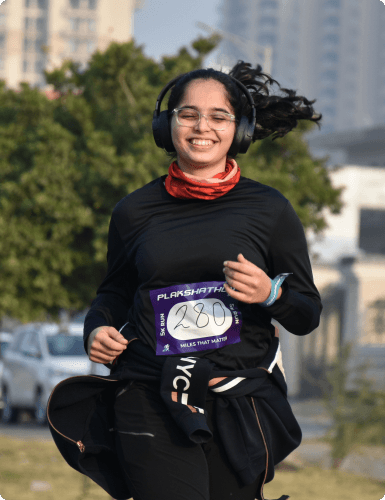
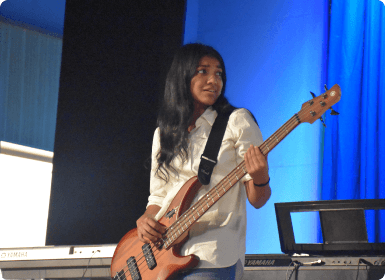
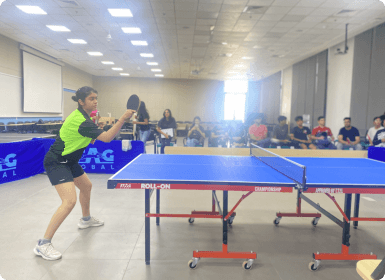
A community for every interest



We welcome applications from students coming from commerce and humanities backgrounds for our major Data Science, Business and Economics, as long as they have studied mathematics up to Class 12.
Yes. Applicants who are yet to receive their Class 12 results can apply with predicted or Class 11 and pre-board scores. Any offer of admission is subject to meeting the eligibility criteria in the final board results.
Students who enjoy working with numbers and want to apply data, technology, and economic thinking to business and policy decisions. Mathematics in Class 12 is required; physics and chemistry are not.
Admissions run in multiple rounds through the year. You can apply in any one round; if you are not admitted, you may reapply in a later round of the same cycle. Applying early gives you the best chance at seats and scholarships.
We look for curiosity, academic strength, a drive to solve real problems, and evidence of initiative inside and outside the classroom. The interview helps us understand how you think, not just what you know.
Yes. Classes, labs, the makerspace, dining, and student residences are fully operational on our campus in Mohali, Punjab, with further buildings being added as the university grows.
The BTech is a fully residential program. Living on campus is part of the learning experience, so all undergraduate students stay in the residence halls.
Partner universities contribute to curriculum design, faculty exchange, joint research, and summer or semester opportunities for students. Specific opportunities vary by partner and are shared with students during the program.
No. You indicate an area of interest when applying, but you formally declare your major in the second year after completing the common first-year foundation.
Every student learns engineering alongside design, mathematics, economics, and the humanities, and works on projects that need all of them. The aim is to graduate engineers who can frame problems as well as solve them.
Graduates receive a four-year Bachelor of Technology (BTech) degree in their chosen major from Plaksha University.
Plaksha University is a state private university established under the Punjab State Legislature and is recognized by the UGC, which empowers it to award degrees. For the latest status of regulatory approvals, please refer to the official admissions office.
All admitted students can apply. Financial aid is need-based and assessed separately from admission, so applying has no effect on your admission decision.
No. Every applicant is automatically considered for merit scholarships based on their application and interview.
You will need proof of family income such as ITRs or salary slips, details of assets and liabilities, and any supporting documents that explain your family's financial situation.
Yes. Students eligible for both can receive a combined award, subject to the overall limits of the scholarship policy.
Financial aid is reviewed annually. Continuing students need to maintain satisfactory academic standing and resubmit financial information if their family circumstances change.
Yes. The Office of Corporate Partnerships and Careers works with students from the first year on internships, résumé building, interview preparation, and connections with recruiters.
Students typically take up their first internship in the summer after the second year, with further industry or research internships in later years.
Yes. Entrepreneurship is part of the curriculum, and students get access to mentors, the founder network, and incubation support to build their ventures.
Yes. The research experience, faculty mentorship, and partner network help students prepare strong applications to graduate programs worldwide.


